
In the world of beauty trends, what was once considered essential can quickly fall out of favor. Over the past decade, microbladed eyebrows dominated salons and social media feeds, promising fuller, perfectly shaped brows with minimal daily effort. However, as beauty aesthetics shift toward softer, more natural looks, microblading is steadily losing its appeal. For many who embraced the trend, a pressing concern now arises: can microbladed eyebrows be reversed?
The Rise and Retreat of Microblading
Microblading is a semi-permanent cosmetic procedure that involves manually depositing pigment into the upper layers of the skin using fine, hair-like strokes. Unlike traditional eyebrow tattoos, which penetrate deeper into the dermis and use machine-based techniques, microblading is designed to create a more natural, feathered appearance. Results typically last between 12 and 24 months, depending on skin type, lifestyle, sun exposure, and aftercare.
During its peak, microblading was celebrated for its time-saving convenience and long-lasting results. Influencers, celebrities, and beauty professionals praised its ability to reshape sparse brows and create symmetry. However, over time, concerns have surfaced about unnatural color changes, uneven fading, and brows that appear too bold or blocky as trends evolve.
Today, the beauty industry is leaning toward softer, brushed-up brows, often achieved through brow lamination, tinted gels, or simply embracing natural growth. As a result, some individuals who opted for microblading now wish to undo or modify their results.
Why Microblading Doesn’t Always Age Well
Although marketed as semi-permanent, microblading does not always fade evenly. Because pigment is implanted into the skin, it can shift in tone over time. Some individuals experience discoloration, where brows turn gray, bluish, or reddish as the original pigment breaks down.
Additionally, skin type plays a significant role in how microblading heals and fades. Oily skin, for example, can cause strokes to blur and appear less defined. Sun exposure can also accelerate pigment breakdown, altering the color and clarity of the brows.
Another factor is evolving personal style. What once felt bold and glamorous may later seem heavy or outdated. Since brows frame the face so prominently, dissatisfaction can significantly impact confidence.
Can Microbladed Eyebrows Be Reversed?
The good news is that while microblading is long-lasting, it is not entirely irreversible. Several options exist for fading or removing unwanted pigment, though the effectiveness depends on factors such as pigment depth, skin type, and time since the procedure.
1. Natural Fading Over Time
Microblading is classified as semi-permanent because the pigment sits closer to the skin’s surface than traditional tattoo ink. Over time, the body gradually breaks down and disperses the pigment. Without touch-ups, most results fade significantly within one to three years.
However, “fading” does not always mean complete disappearance. Residual pigment can remain visible, especially if multiple touch-ups were performed.
2. Laser Tattoo Removal
Laser removal is one of the most effective methods for reversing microblading. Dermatologists and trained professionals use specialized lasers to break down pigment particles, allowing the body’s immune system to gradually clear them.
Multiple sessions are typically required, spaced several weeks apart. The number of treatments depends on pigment color, skin tone, and how deeply the ink was deposited. While laser removal can significantly lighten or eliminate pigment, it may cause temporary redness, swelling, or scabbing. In rare cases, there is a risk of scarring or changes in skin pigmentation, particularly in darker skin tones.
Because eyebrows are located close to the eyes, protective shields are used during treatment to ensure safety.
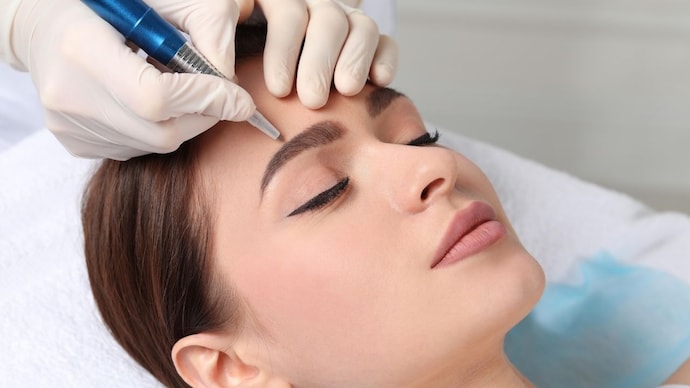
3. Saline Removal
Saline removal is another technique often used shortly after a microblading procedure or for lighter pigment correction. This method involves tattooing a saline solution into the treated area, which helps draw pigment out of the skin as it heals.
Saline removal can be effective but may require multiple sessions. It can also cause temporary discomfort and scabbing during the healing process.
4. Correction and Color Neutralization
In cases where full removal is not desired, correction may be possible. Skilled technicians can adjust brow shape or neutralize unwanted tones by layering corrective pigments. For example, warm-toned pigments may be used to counteract cool or gray discoloration.
However, correction should be performed only by experienced professionals to avoid compounding the issue.
Important Considerations Before Removal
Anyone considering reversing microblading should consult a qualified dermatologist or licensed removal specialist. Attempting at-home remedies or DIY fading techniques can damage the skin and worsen discoloration.
Timing is also crucial. Fresh microblading should be allowed to heal before removal procedures are attempted, unless an emergency saline treatment is recommended by a professional within the first 48 hours.
It is equally important to manage expectations. Complete removal may not always be achievable, particularly if pigment was placed deeper than intended or if multiple touch-ups were done over the years.
The Shift Toward Natural Brows
The decline of microblading reflects a broader movement within the beauty industry: embracing individuality and natural features. Today’s brow trends emphasize texture, softness, and adaptability rather than rigid, ultra-defined shapes.
For some, allowing microbladed brows to fade naturally may be enough. For others, professional removal offers a path to a fresh start. The key is informed decision-making. Understanding the risks, costs, and realistic outcomes of removal ensures that individuals can move forward confidently.
Final Thoughts
Microblading may no longer dominate beauty conversations, but its impact remains visible on many faces. While reversing the procedure is possible through natural fading, laser treatments, or saline removal, results vary from person to person.
Ultimately, eyebrows—like trends—evolve. Whether choosing to embrace natural growth, seek professional correction, or pursue full removal, the most important factor is aligning aesthetic choices with personal comfort and long-term satisfaction.
Read More: whitesystemz.com
