
In recent years, the beauty and personal care industry has undergone a significant transformation with the emergence of clean beauty and ingredient transparency. Consumers are becoming more aware of what they apply to their skin, leading to increased demand for safer, more ethical, and environmentally responsible products. This shift has encouraged beauty brands to rethink product formulations, labeling practices, and marketing strategies.
Clean beauty emphasizes products made without potentially harmful chemicals, while ingredient transparency focuses on clearly disclosing what goes into cosmetic products. Together, these trends are reshaping the global beauty industry by empowering consumers to make informed choices. As awareness grows about health, sustainability, and ethical sourcing, clean beauty continues to gain popularity across different markets and age groups.
Understanding the Concept of Clean Beauty
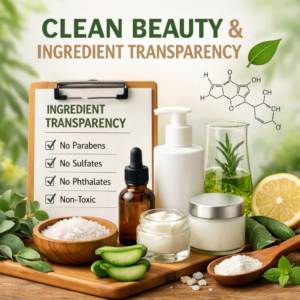
Clean beauty generally refers to cosmetic and skincare products formulated without ingredients that are considered harmful to human health or the environment. These ingredients often include certain synthetic chemicals, parabens, phthalates, sulfates, and artificial fragrances that have raised concerns among consumers and researchers.
Unlike traditional beauty products that sometimes prioritize performance over safety, clean beauty brands aim to balance effectiveness with safer formulations. The movement does not necessarily mean that all products are completely natural, but rather that they are carefully designed to avoid ingredients that may pose health risks. As a result, clean beauty products often contain plant-based ingredients, naturally derived compounds, and gentle formulations suitable for sensitive skin.
The clean beauty concept also reflects a broader lifestyle trend focused on wellness and mindful consumption. Consumers increasingly seek products that align with their values, including health, sustainability, and ethical responsibility.
The Importance of Ingredient Transparency
Ingredient transparency has become a key expectation among modern consumers. Many shoppers now read product labels carefully before purchasing skincare, makeup, or haircare items. They want to understand what ingredients are present, how those ingredients function, and whether they are safe for long-term use.
Transparent labeling practices help consumers build trust in beauty brands. When companies clearly list ingredients and explain their purpose, customers feel more confident about the products they are using. Transparency also encourages brands to maintain higher standards in product formulation and safety testing.
In addition to listing ingredients, many brands now provide detailed explanations about sourcing, manufacturing processes, and product testing. Some companies even disclose the origin of raw materials and the environmental impact of their production methods. This level of openness reflects a growing shift toward honesty and accountability within the beauty industry.
Consumer Awareness and Changing Beauty Preferences
The rise of clean beauty is largely driven by increased consumer awareness. Access to online information, social media discussions, and skincare education has empowered individuals to learn more about cosmetic ingredients and their potential effects on health.
Many consumers are now aware of certain chemicals that have been debated in the beauty industry. Concerns about skin irritation, allergies, and long-term health effects have encouraged people to search for alternatives that are perceived as safer. As a result, products labeled as clean, natural, or non-toxic have gained popularity.
Younger generations, particularly millennials and Gen Z consumers, play a major role in shaping this trend. These groups tend to prioritize health-conscious lifestyles and environmentally responsible products. Their purchasing habits influence beauty brands to develop cleaner formulas and communicate ingredient information more clearly.
The Role of Sustainability in Clean Beauty
Sustainability is closely connected to the clean beauty movement. Many clean beauty brands emphasize eco-friendly packaging, responsible ingredient sourcing, and reduced environmental impact. Consumers who choose clean beauty products often expect brands to adopt sustainable practices as part of their commitment to ethical production.
Eco-conscious brands are increasingly using recyclable packaging materials, refillable containers, and biodegradable ingredients. Some companies also focus on reducing water usage, minimizing carbon emissions, and supporting sustainable agriculture for plant-based ingredients.
This focus on sustainability reflects a broader cultural shift toward environmental responsibility. Beauty products are no longer judged solely by their effectiveness but also by how responsibly they are produced. The integration of sustainability into beauty practices helps brands meet the expectations of environmentally aware consumers.
The Influence of Technology and Digital Platforms
Technology has played a significant role in promoting clean beauty and ingredient transparency. Mobile applications and online databases now allow consumers to scan product labels and learn about individual ingredients. These tools provide information about ingredient safety, potential allergens, and environmental impact.
Social media platforms also contribute to the spread of information about skincare and cosmetic products. Influencers, dermatologists, and beauty experts frequently discuss ingredients and product formulations, educating audiences about what to look for in beauty products.
Digital communication has made it easier for consumers to hold brands accountable. Companies that fail to provide clear ingredient information may face criticism online, while brands that prioritize transparency often receive positive recognition. This digital environment encourages beauty companies to adopt more transparent and responsible practices.
Challenges and Misconceptions in the Clean Beauty Movement
Despite its popularity, the clean beauty movement faces several challenges and misconceptions. One major issue is the lack of a universally accepted definition of “clean beauty.” Different brands and organizations may use the term differently, which can create confusion among consumers.
Another challenge is the assumption that natural ingredients are always safer than synthetic ones. In reality, both natural and synthetic ingredients can be safe or harmful depending on how they are formulated and used. Scientific research and regulatory testing remain essential for determining product safety.
Some critics also argue that clean beauty marketing can sometimes exaggerate risks associated with certain ingredients to promote products. For this reason, experts emphasize the importance of evidence-based information and balanced communication about cosmetic safety.
The Future of Clean Beauty and Transparency
The demand for clean beauty and ingredient transparency is expected to continue growing in the coming years. As consumers become more informed, they will likely expect even greater openness from beauty brands regarding product formulations and sourcing practices.
Regulatory bodies in several countries are also updating cosmetic regulations to improve ingredient safety standards and labeling requirements. These changes may encourage greater consistency in how beauty products are evaluated and marketed.
In the future, technological innovation may further support transparency by enabling more detailed ingredient tracking and product verification. Consumers may gain access to advanced tools that allow them to understand product composition and environmental impact more clearly.
Conclusion
The rise of clean beauty and ingredient transparency represents a significant shift in the global beauty industry. Consumers are no longer satisfied with products that simply promise cosmetic results; they also want assurance about safety, ethics, and sustainability. This growing awareness has pushed beauty brands to adopt clearer labeling, safer formulations, and environmentally responsible practices.
While challenges remain, the movement toward transparency and cleaner products reflects a broader change in consumer values. As knowledge, technology, and regulations continue to evolve, clean beauty is likely to become an integral part of the future beauty landscape.
Read more : webxcels.com
