
Healthy hair is often considered a sign of good overall health and proper grooming habits. Strong, shiny, and well-maintained hair not only enhances appearance but also reflects how effectively a person takes care of their body and lifestyle. In modern beauty and wellness discussions, hair care is no longer limited to basic washing and styling. Instead, it involves a combination of proper nutrition, suitable hair products, scalp health, and protective habits.
Hair strands are primarily made of a protein called keratin, and maintaining the strength of these strands requires proper care of both the hair shaft and the scalp. Environmental pollution, excessive heat styling, chemical treatments, stress, and poor nutrition can weaken hair over time. As a result, many people experience issues such as hair fall, dryness, breakage, and dullness.
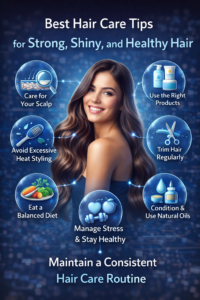
By following scientifically supported hair care practices and building a consistent routine, individuals can significantly improve the strength, shine, and health of their hair. The following sections explain essential hair care tips and practices that contribute to long-term hair health.
Understand Your Hair Type and Scalp Condition
The first step toward effective hair care is understanding your hair type and scalp condition. Hair generally falls into categories such as straight, wavy, curly, or coily, and each type requires different care techniques. In addition, scalp conditions such as oily, dry, or sensitive play an important role in determining the right products and routine.
People with oily scalps may need more frequent washing to prevent buildup of oil and dirt, while those with dry scalps benefit from hydrating products that prevent flaking and irritation. Curly and coily hair types often require richer moisturizers because their structure makes it harder for natural oils to travel along the hair shaft.
Recognizing your hair type allows you to choose the right shampoo, conditioner, and styling products. A personalized approach ensures that hair receives the correct balance of moisture, protein, and protection, which is essential for maintaining strong and healthy strands.
Maintain a Healthy and Clean Scalp
The scalp forms the foundation of hair growth. Hair follicles located within the scalp produce hair strands, and their health directly affects hair strength and growth. Maintaining a clean and balanced scalp environment supports proper hair development.
Regular cleansing helps remove dirt, excess oil, dead skin cells, and product buildup that can clog hair follicles. When follicles become blocked, hair growth may slow down or weaken. Gentle scalp massage during washing also improves blood circulation, which may help deliver nutrients to the hair roots.
It is important to avoid harsh shampoos that strip the scalp of natural oils. Using mild cleansing products helps maintain the scalp’s natural balance while keeping it fresh and healthy.
Choose the Right Shampoo and Conditioner
Selecting appropriate hair care products plays a significant role in maintaining hair health. Shampoos are designed to cleanse the scalp and hair, while conditioners help restore moisture and smooth the hair cuticle.
Shampoos should match the specific needs of your hair type. For example, volumizing shampoos are often recommended for fine hair, while moisturizing formulas are beneficial for dry or damaged hair. Conditioners help reduce friction between hair strands, making hair easier to manage and less prone to breakage.
Applying conditioner mainly to the mid-lengths and ends of the hair helps maintain softness without making the scalp excessively oily. Consistent use of the right products supports smoother, shinier, and more manageable hair.
Avoid Excessive Heat Styling
Frequent use of heat styling tools such as hair dryers, straighteners, and curling irons can damage hair over time. High temperatures weaken the protein structure of the hair shaft, leading to dryness, split ends, and breakage.
Limiting the use of heat styling tools helps preserve the natural strength and moisture of hair. When heat styling is necessary, using heat-protectant products can reduce potential damage. These products create a protective barrier that minimizes the direct impact of heat on the hair cuticle.
Air-drying hair whenever possible and using lower heat settings on styling tools are simple yet effective ways to maintain hair health.
Nourish Hair Through a Balanced Diet
Hair health is strongly influenced by nutrition. Since hair is composed mainly of protein, consuming adequate amounts of protein-rich foods supports hair strength and growth. Nutrients such as vitamins, minerals, and healthy fats also play important roles in maintaining healthy hair follicles.
Iron, zinc, biotin, and vitamins A, C, and E are commonly associated with hair health. These nutrients contribute to cell regeneration, scalp health, and improved blood circulation. A diet that includes fruits, vegetables, whole grains, lean proteins, and healthy fats helps support overall hair vitality.
Hydration is another important factor. Drinking sufficient water helps maintain moisture balance in both the scalp and hair strands, reducing dryness and brittleness.
Protect Hair from Environmental Damage
Environmental factors such as pollution, ultraviolet radiation, humidity, and harsh weather conditions can negatively affect hair health. Exposure to these elements may cause dryness, color fading, and increased fragility.
Protective measures can help minimize environmental damage. Wearing hats or scarves when exposed to strong sunlight helps protect hair from harmful UV rays. Similarly, rinsing hair after swimming helps remove chlorine or saltwater that may cause dryness.
Using protective hairstyles or treatments can also help shield hair from external stressors. These practices preserve the natural strength and shine of the hair over time.
Practice Gentle Hair Handling
Many cases of hair breakage occur due to rough handling rather than underlying health issues. Wet hair is particularly vulnerable because the hair shaft becomes more elastic and fragile when saturated with water.
Using wide-tooth combs to detangle hair and starting from the ends rather than the roots helps reduce breakage. Avoiding tight hairstyles that pull excessively on the scalp can also prevent unnecessary stress on hair follicles.
Patting hair dry with a soft towel instead of rubbing vigorously helps maintain the integrity of the hair cuticle. Gentle handling techniques significantly reduce hair damage and maintain overall hair health.
Trim Hair Regularly to Prevent Split Ends
Regular trimming is an important yet often overlooked aspect of hair care. Over time, the ends of hair strands may become dry and split, which can cause further breakage along the hair shaft.
Trimming hair every few weeks or months helps remove damaged ends and maintain a healthier appearance. While trimming does not directly accelerate hair growth, it prevents breakage that can make hair appear thinner or uneven.
Healthy ends contribute to smoother texture and better manageability, making hair easier to style and maintain.
Use Natural Oils and Conditioning Treatments
Natural oils and conditioning treatments have been used for centuries to nourish and protect hair. Oils such as coconut oil, argan oil, and almond oil are known for their moisturizing and protective properties.
Applying small amounts of oil to the hair can help reduce dryness, improve shine, and strengthen hair strands. Deep conditioning treatments also restore moisture and repair minor damage caused by environmental stress or styling practices.
Regular conditioning treatments improve the elasticity of hair, making it less likely to break under tension or styling.
Manage Stress and Maintain Overall Health
Stress and lifestyle factors can influence hair growth cycles. High levels of stress may disrupt the normal hair growth process, sometimes leading to increased hair shedding.
Maintaining a balanced lifestyle with adequate sleep, regular physical activity, and stress management techniques supports overall health and indirectly benefits hair health. Activities such as exercise, meditation, and relaxation techniques can help regulate stress levels.
Healthy hair often reflects overall well-being, so maintaining both physical and mental health contributes to stronger and more resilient hair.
Build a Consistent Hair Care Routine
Consistency is essential for achieving long-term hair health. A well-structured routine that includes regular cleansing, conditioning, protection, and nourishment helps maintain the natural balance of the hair and scalp.
Developing a routine tailored to individual hair needs ensures that hair receives appropriate care without excessive product use. Over time, consistent care leads to noticeable improvements in hair strength, shine, and manageability.
Patience is important, as hair growth and repair processes take time. Maintaining a steady routine allows the hair to gradually recover from damage and maintain its natural vitality.
Conclusion
Strong, shiny, and healthy hair is the result of consistent care, proper nutrition, and protective habits. Understanding hair type, maintaining scalp health, using suitable products, and protecting hair from heat and environmental damage all contribute to better hair quality.
Additionally, gentle handling, regular trimming, balanced nutrition, and stress management support the long-term health of hair follicles and strands. By combining these practices into a personalized hair care routine, individuals can significantly improve the strength and appearance of their hair.
With patience and proper care, healthy hair becomes easier to maintain and style, providing lasting confidence and well-being.
Read more : webxcels.com
