
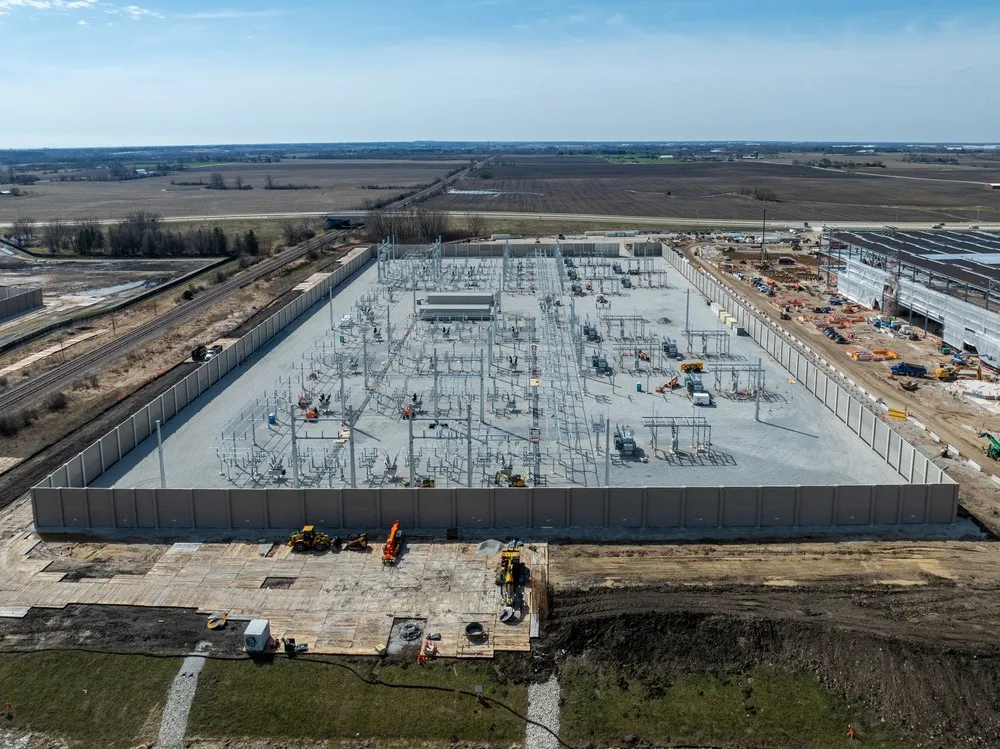
Every piece of equipment on a factory floor has a maintenance schedule. Robots get calibrated. Conveyor belts get new bearings. Sensors get swapped out on a regular cycle. But the electrical system powering all of it? That somehow gets filed under “facilities stuff” and forgotten. It sits there silently doing the heaviest lifting in the building while getting zero attention. Meanwhile, one bad afternoon with an overloaded panel can shut down everything you spent millions building.
It Is the Production Line
A voltage sag lasting half a second can reset every programmable controller on the floor. Welding arms stop mid-joint. Product gets scrapped. People stand around waiting. And yet, nobody panics about the electrical system the way they panic about a broken press. Power infrastructure carries the entire operation on its back, but manufacturers keep treating it like plumbing. Something invisible. Something boring. Something that will probably be fine. There’s a good chance it won’t be okay. Transformers age. Switchgear wears out. Panels that were sized for the loads of fifteen years ago are now running hot because the plant has bolted on new equipment without a second thought about capacity.
The Real Cost of Ignoring It
Unplanned downtime in a manufacturing plant can burn through thousands of dollars every single minute. Electrical failures cause a surprising chunk of that downtime, right up there with mechanical breakdowns. Here is the frustrating part. These failures almost never come out of nowhere. There were signs. Warm panels. Flickering lights under heavy load. Breakers tripping more often than they used to. But because nobody was watching the electrical system the way they watch production equipment, the signs got missed.
Flip that approach around. Schedule inspections for your switchgear. Track how close your panels are running to full capacity. Replace aging components on a planned timeline instead of after they take your third shift offline. Same logic you already apply to everything else in the plant.
Growing Means Drawing More Power
Manufacturers talk about growth constantly. More lines, faster cycles, bigger orders. All of that requires electricity. Actual, physical watts flowing through conductors. You’re inviting problems if you install major new equipment in a facility that’s already at its electrical capacity. Overheated wires, tripped breakers, and voltage sags can all silently wear down sensitive equipment. It adds up fast.
The smarter move is to plan electrical capacity the way you plan floor space. Look ahead. Model what your loads will be in three years, not just today. Engineering firms like Commonwealth specialize in energy solutions that help industrial clients build power systems ready to scale with production goals, not choke them.
Reliability Wins Contracts
A plant that never blows a delivery deadline because of a power failure has a serious edge. Customers remember that. Insurance companies reward it. With a robust and well-documented electrical system, opportunities arise for on-site power generation, battery storage, and demand response initiatives that can reduce expenses. Yet, none of those things are successful if the underlying structure is unsound. You cannot stack smart energy strategies on top of infrastructure you have been neglecting for a decade.
Conclusion
Stop filing your electrical system under overhead. It belongs on the same asset list as your highest-value production equipment, because that is exactly what it is. The manufacturers who figure this out early spend less on emergency repairs, lose fewer production hours, and sleep a whole lot better at night. The ones who do not figure it out keep learning the hard way. Protect the power. Protect the output.
