A good packaging line needs more than speed. It needs control at every step. Even a small filling error can lead to wasted goods or packs that fail to meet set weights. This is a real concern for factories that handle powders and fine ingredients each day. The right filling equipment can make this work much easier. It helps keep product amounts steady while reducing the need for manual work. A smooth process also gives staff more time to focus on quality and daily output.
A Better Way To Fill
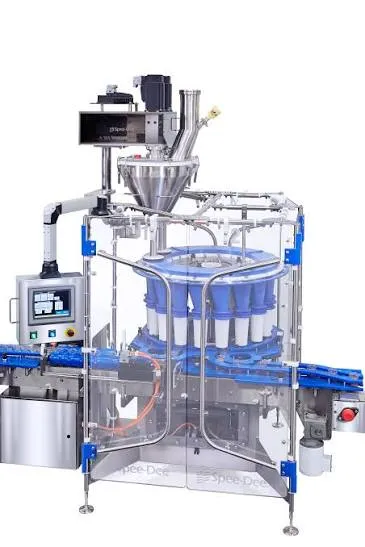
Powder products do not always move in the same way. Some are light and loose, while others are dense or hard to move. automatic auger fillers use a rotating screw to move and release set amounts of product into containers. This makes them useful for items such as flour and spices, as well as drink mixes and other dry goods. The filling process can be adjusted to suit the product and pack size. This helps keep each fill close to the target amount while limiting spills and product loss.
The Value Of Controlled Flow
A steady flow is vital when a factory needs to fill hundreds or even thousands of packs. Changes in product flow can affect the final weight and slow down the work. A well-planned filling system helps manage these changes with better control. Operators can set the machine to suit the product and the amount needed. This also helps reduce the need to stop the line for small corrections. When the flow stays steady, the team can work with more confidence and keep daily orders on track.
Different Tools For Different Goods
Not every product needs the same filling method. Some dry goods can be measured by volume rather than by weight. volumetric cup fillers use measured cups to release set amounts of product into each pack. They can work well with free-flowing items such as grains and certain food products. The choice depends on the shape and flow of the goods along with the required fill amount. Matching the machine to the product can help improve output and make the packing process easier to manage.
Fit The Full Production Line
Filling equipment should never be viewed as a separate part of the factory. It needs to work with the product feed and the container handling system. The next steps may include sealing and weight checks. When all these parts work well together, the line can move with fewer stops. Staff can also spot issues before they affect a large batch. A setup that suits the plant can help reduce repeat work and support new orders as demand grows. Good planning makes a clear difference.
Care That Supports Performance
Daily cleaning and regular checks are vital for any filling system. Powder can build up around moving parts and affect how the machine works. Easy access to key areas can make cleaning less difficult for operators. Staff should also check product flow and machine settings during routine work. These simple steps can help spot wear or small faults before they cause long delays. Proper care also helps protect the goods being packed. A clean and well-kept machine is a useful part of a reliable production setup.
Conclusion
Accurate filling helps protect product quality and reduce waste. The right equipment can support steady output while making daily tasks easier for staff. Each factory should review its product type and pack size before choosing a system. Good planning also helps the machine work well with the rest of the line. With the right setup, a business can meet demand and keep its packing process under control.