
Healthy skin depends on a combination of proper care, balanced nutrition, and the use of effective skincare ingredients. Over the years, dermatological research has identified several ingredients that significantly improve skin health by supporting hydration, repairing the skin barrier, boosting collagen production, and protecting against environmental damage. While many products promise instant results, the real effectiveness of skincare comes from scientifically supported ingredients that address specific skin concerns.
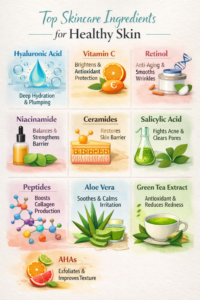
Understanding which ingredients truly work helps consumers make informed decisions about their skincare routines. Ingredients such as antioxidants, vitamins, and natural extracts can help maintain youthful, resilient skin while addressing issues like dryness, acne, pigmentation, and premature aging. Below are some of the most beneficial skincare ingredients known for improving overall skin health.
1. Hyaluronic Acid: The Ultimate Hydration Booster
Hyaluronic acid is one of the most popular skincare ingredients because of its exceptional ability to retain moisture. Naturally present in the skin, it acts like a sponge that holds water within the skin layers, keeping the skin hydrated and plump. As people age, the natural levels of hyaluronic acid decline, which contributes to dryness and fine lines.
When used in serums or moisturizers, hyaluronic acid helps restore hydration, smooth the appearance of wrinkles, and improve skin texture. It works well for all skin types, including sensitive and oily skin, because it hydrates without clogging pores. Regular use can make skin appear healthier, more elastic, and visibly refreshed.
2. Vitamin C: Brightening and Antioxidant Protection
Vitamin C is a powerful antioxidant widely used in skincare for its ability to brighten the skin and protect it from environmental damage. Exposure to pollution and ultraviolet radiation can create free radicals that damage skin cells and accelerate aging. Vitamin C helps neutralize these free radicals, protecting the skin and promoting a more even complexion.
In addition to its protective effects, vitamin C supports collagen production, which is essential for maintaining skin firmness and elasticity. Regular application can reduce the appearance of dark spots, dullness, and uneven skin tone. Over time, this ingredient contributes to smoother, brighter, and more youthful-looking skin.
3. Retinol: A Powerful Anti-Aging Ingredient
Retinol, a derivative of vitamin A, is widely recognized for its ability to improve skin texture and reduce visible signs of aging. It works by accelerating skin cell turnover, encouraging the production of new, healthy skin cells while removing older damaged cells from the surface.
Consistent use of retinol can help reduce fine lines, wrinkles, and uneven skin tone. It also unclogs pores, making it beneficial for individuals dealing with acne or breakouts. Although retinol can initially cause mild irritation for some users, gradual introduction into a skincare routine helps the skin adapt and gain long-term benefits.
4. Niacinamide: Strengthening the Skin Barrier
Niacinamide, also known as vitamin B3, is a versatile ingredient that supports overall skin health. It strengthens the skin barrier, which helps protect against environmental stressors such as pollution, UV rays, and irritants. A stronger barrier allows the skin to retain moisture more effectively and reduces sensitivity.
This ingredient is also known for its ability to regulate oil production, making it suitable for both dry and oily skin types. Niacinamide can reduce redness, minimize the appearance of enlarged pores, and improve uneven skin tone. Its calming and anti-inflammatory properties make it especially beneficial for people with sensitive or acne-prone skin.
5. Alpha Hydroxy Acids (AHAs): Gentle Skin Exfoliation
Alpha hydroxy acids, commonly derived from fruits and milk, are used in skincare for their gentle exfoliating properties. These acids remove dead skin cells from the surface, allowing newer and healthier skin to appear. Regular exfoliation helps improve skin texture and promotes a brighter, more radiant complexion.
AHAs are particularly useful for individuals dealing with dullness, mild pigmentation, or uneven skin tone. They can also help reduce the appearance of fine lines by encouraging natural skin renewal. When used correctly and combined with proper sun protection, AHAs can significantly improve skin smoothness and clarity.
6. Ceramides: Essential Skin Barrier Support
Ceramides are naturally occurring lipids that form a crucial part of the skin’s protective barrier. They help hold skin cells together, preventing moisture loss and protecting against environmental irritants. When ceramide levels are depleted, the skin may become dry, irritated, and more prone to damage.
Skincare products containing ceramides help restore the skin’s natural barrier and improve hydration levels. This makes them especially helpful for individuals with dry or sensitive skin conditions. By strengthening the skin barrier, ceramides contribute to smoother, healthier, and more resilient skin over time.
7. Salicylic Acid: Effective Acne Treatment
Salicylic acid is a beta hydroxy acid commonly used to treat acne and oily skin conditions. Unlike many exfoliating ingredients, it penetrates deep into the pores and helps dissolve excess oil and debris that can lead to breakouts.
Regular use of salicylic acid helps prevent clogged pores and reduces inflammation associated with acne. It also helps exfoliate the skin surface, promoting clearer and smoother skin. Because of its oil-soluble nature, this ingredient is particularly effective for individuals with oily or acne-prone skin types.
8. Peptides: Supporting Collagen Production
Peptides are short chains of amino acids that serve as building blocks for proteins like collagen and elastin. These proteins are essential for maintaining skin firmness, elasticity, and overall structure. As the skin ages, collagen production naturally declines, which leads to sagging and wrinkles.
Skincare products containing peptides help stimulate collagen production and support skin repair processes. Over time, this can lead to improved skin texture, reduced wrinkles, and stronger skin resilience. Peptides are often included in anti-aging products to help maintain youthful skin appearance.
9. Aloe Vera: Natural Soothing and Hydration
Aloe vera has been used for centuries for its soothing and healing properties. It contains vitamins, antioxidants, and anti-inflammatory compounds that help calm irritated skin and promote healing. Aloe vera is commonly used in products designed for sensitive or sun-exposed skin.
In addition to soothing benefits, aloe vera provides lightweight hydration that helps maintain moisture balance without making the skin feel greasy. Its gentle nature makes it suitable for all skin types, especially those prone to redness or irritation.
10. Green Tea Extract: Antioxidant Skin Protection
Green tea extract is rich in antioxidants known as polyphenols, which help protect the skin from environmental stress and damage. These antioxidants reduce inflammation and protect skin cells from harmful free radicals that contribute to premature aging.
In skincare formulations, green tea extract helps calm irritation, reduce redness, and support overall skin health. It is also believed to help regulate oil production and improve skin tone. As a result, it is commonly included in products designed for both anti-aging and acne-prone skin care routines.
Conclusion
Choosing the right skincare ingredients can significantly improve skin health and appearance. Ingredients such as hyaluronic acid, vitamin C, retinol, niacinamide, ceramides, and peptides offer scientifically supported benefits that address hydration, aging, acne, and overall skin resilience. Meanwhile, natural extracts like aloe vera and green tea provide additional soothing and protective effects.
The key to achieving healthy skin is consistency and selecting products that contain proven ingredients suited to individual skin types and concerns. By incorporating these effective ingredients into a regular skincare routine, individuals can support long-term skin health, maintain a radiant complexion, and protect their skin from environmental stress and premature aging.
Read more : digisoftron.com
